5 Korean Fall Festivals Worth Experiencing
Autumn is one of the most beautiful seasons to visit Korea. The weather is comfortable, the mountains and parks turn colorful, and cities across the country come alive with festivals.
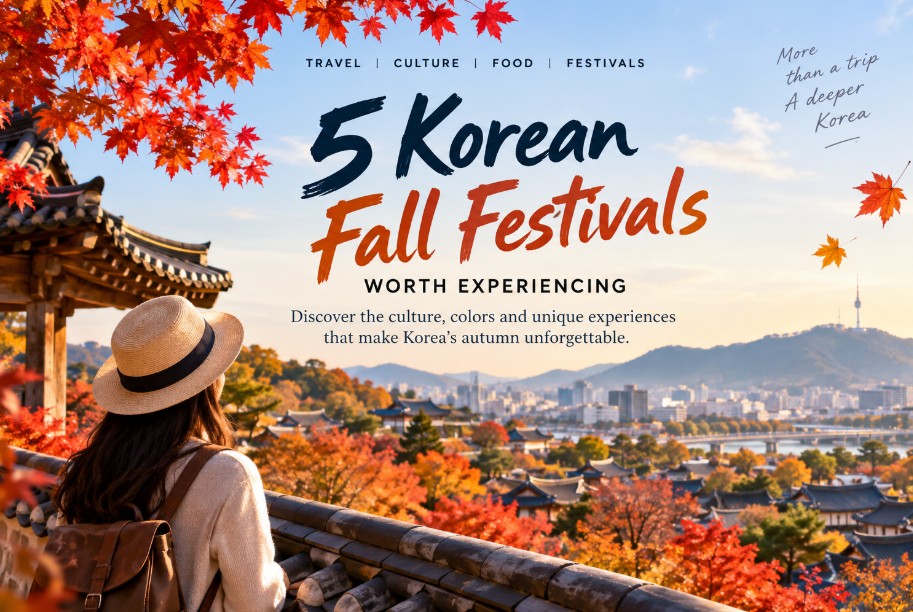
If you want to experience more than the usual tourist attractions, Korean fall festivals are a great way to see local culture, traditional performances, music, history and food.
Here are five Korean fall festivals worth adding to your travel list.
1. Jinju Namgang Yudeung Festival
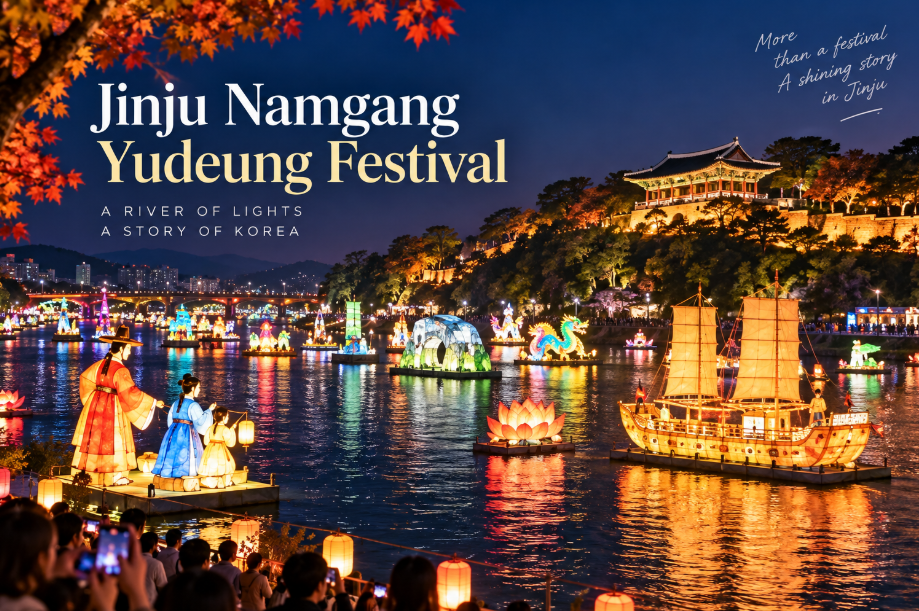
The Jinju Namgang Yudeung Festival is one of Korea’s most spectacular autumn night festivals.
Date: October 3–18, 2026
Location: Namgang River & Jinju Castle, Jinju
Admission: Free
Tip: Visit after sunset to see the lanterns at their best.
The festival takes place along the Namgang River in Jinju, where thousands of colorful lanterns illuminate the river and surrounding area. Some lanterns are traditional in style, while others are designed as large figures and creative installations.
The combination of lanterns, the river and the historic city creates an especially beautiful atmosphere after sunset.
Visitors can also enjoy performances, fireworks and various cultural programs during the festival.
If you are looking for a Korean festival that is particularly impressive in photographs and videos, this is one of the places to consider.
2. Andong International Mask Dance Festival
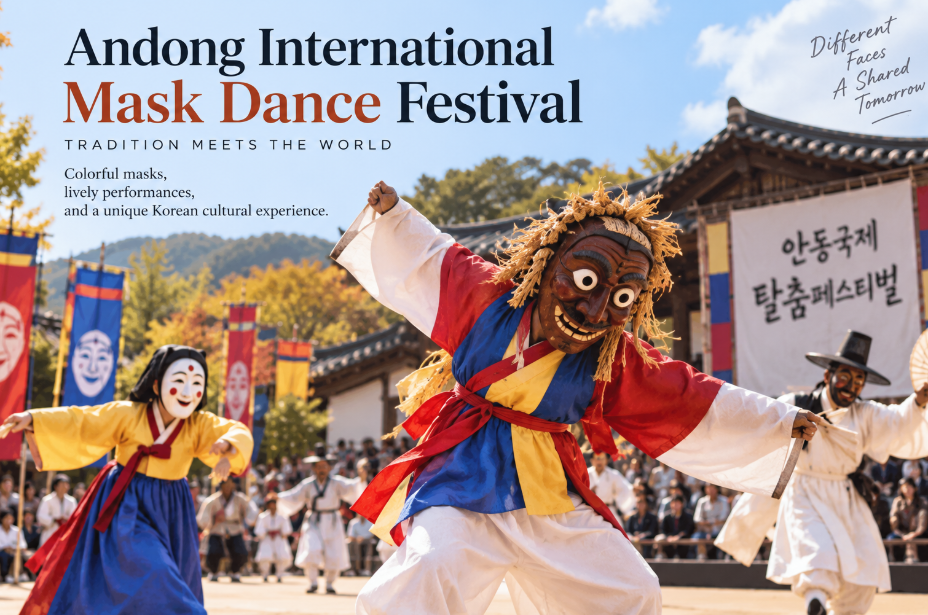
The Andong International Mask Dance Festival introduces visitors to Korea’s traditional mask dances while also bringing performers from different countries together.
Date: September 24–October 4, 2026
Location: Talchum Park, Andong
Admission: Free; some programs may require tickets
Tip: A great choice for experiencing Korean traditional performances.
Andong is one of the best-known places in Korea for traditional culture, and the festival offers a chance to see performances that are closely connected to Korean history and folk traditions.
Colorful masks, costumes, music and energetic performances make the festival easy to enjoy even if you do not speak Korean.
The festival is also an opportunity to explore Andong’s traditional culture beyond the performances, making it a good choice for travelers interested in Korean heritage.
3. Jarasum International Jazz Festival
Not every Korean fall festival is about traditional culture.
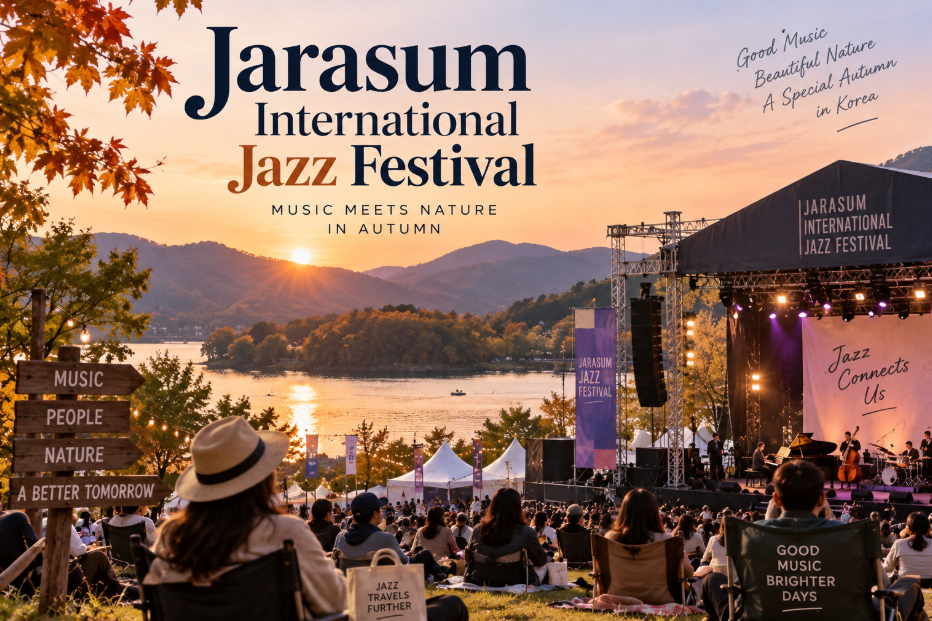
The Jarasum International Jazz Festival offers a completely different experience, combining live music with the beautiful autumn scenery of Jarasum in Gapyeong.
Date: October 9–11, 2026
Location: Jarasum, Gapyeong
Admission: From KRW 88,000 for a 1-day ticket
Tip: Book tickets and accommodation early, especially for the October holiday weekend.
During the festival, visitors can enjoy performances by jazz musicians in an outdoor setting surrounded by nature.
The atmosphere is relaxed and very different from the bright city festivals.
For travelers who enjoy music, autumn landscapes and outdoor events, Jarasum can be an interesting way to experience a more contemporary side of Korean culture.
4. Suwon Hwaseong Cultural Festival
The Suwon Hwaseong Cultural Festival is closely connected to Hwaseong Fortress, a UNESCO World Heritage Site.
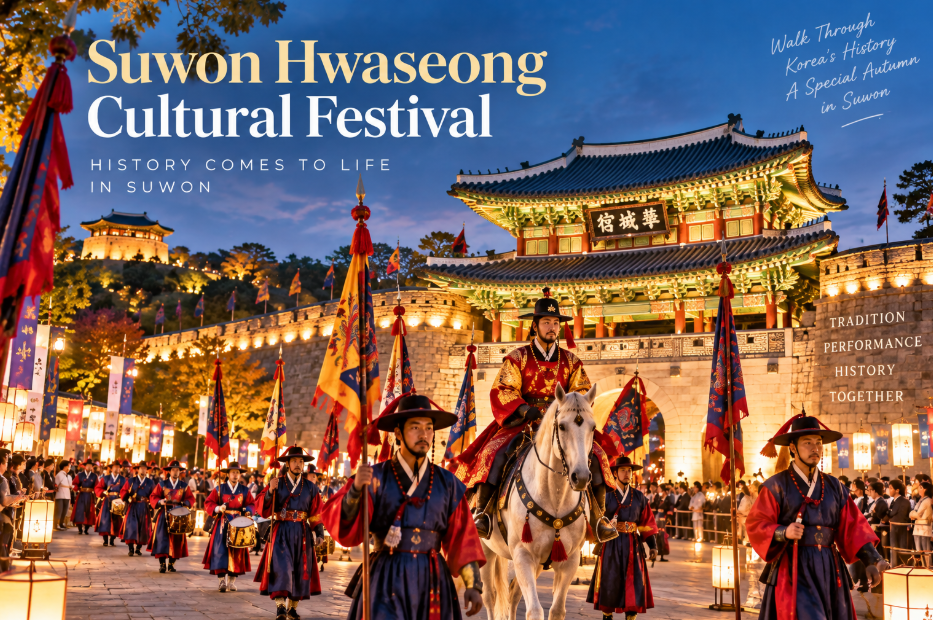
Date: October 4–11, 2026
Location: Suwon Hwaseong Fortress
Admission: Mostly free; some programs require tickets
Tip: Combine the festival with a visit to the UNESCO-listed fortress.
The festival recreates elements of the history and culture of the Joseon Dynasty, including traditional performances and historical reenactments.
One of the highlights is the recreation of the royal procession associated with King Jeongjo.
Because the festival takes place around the historic fortress, visitors can combine the festival with sightseeing around Suwon Hwaseong.
It is a particularly interesting choice for travelers who want to see Korean history, architecture and traditional culture in one trip.
5. Jeonju Bibimbap Festival
The Jeonju Bibimbap Festival is a great choice for travelers who want to experience Korean food.
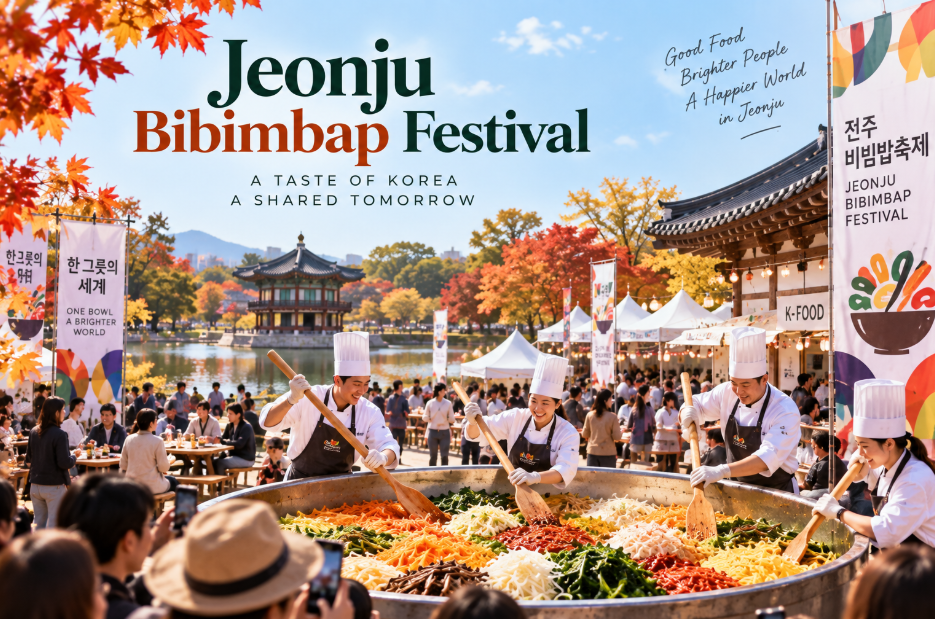
Date: October 2–4, 2026
Location: Deokjin Park, Jeonju
Admission: No separate admission fee announced
Tip: Enjoy bibimbap experiences, food programs and cultural performances.
Jeonju is famous for its food culture, and bibimbap is one of the city’s best-known dishes.
During the festival, visitors can experience various food programs, performances and activities centered around bibimbap and Korean cuisine.
One of the most interesting parts for international visitors is the opportunity to experience Korean food culture rather than simply ordering a dish at a restaurant.
If you are traveling to Korea for the first time and want to understand why food is such an important part of Korean culture, Jeonju is worth considering.
Experience a Different Side of Korea in Autumn
Korean fall festivals are not limited to one type of experience.
At Jinju, you can walk beside a river filled with glowing lanterns.
In Andong, you can discover traditional masks and performances.
At Jarasum, you can enjoy jazz surrounded by autumn scenery.
In Suwon, you can step into the history of the Joseon Dynasty.
And in Jeonju, you can explore one of Korea’s most famous food traditions.
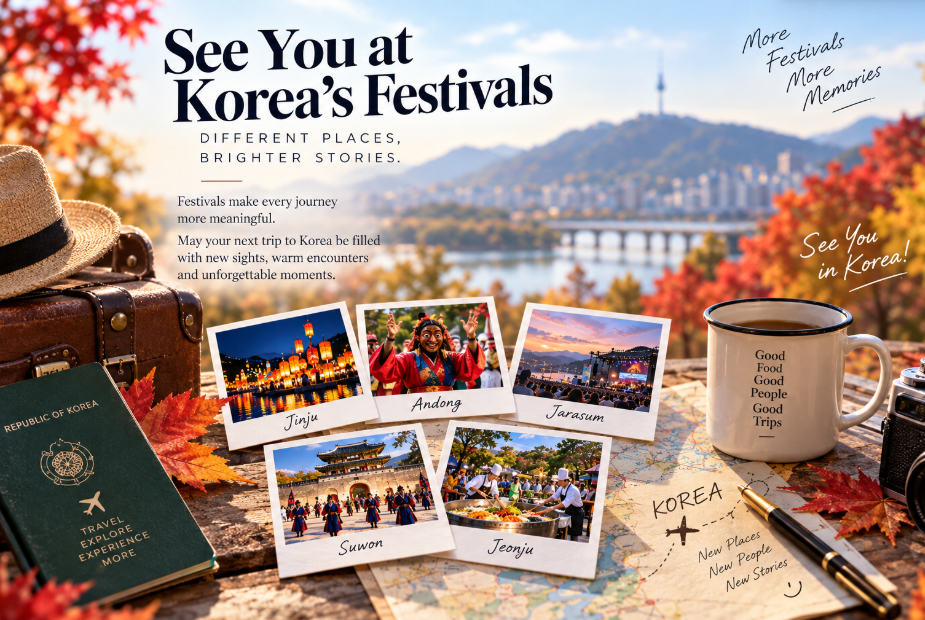
If you are planning an autumn trip to Korea, consider adding one of these festivals to your itinerary. A festival can turn an ordinary sightseeing trip into an opportunity to experience the culture, food and atmosphere of Korea more directly.